
 We keep sending the wrong people to prison. There are hundreds who shouldn’t be in there. Vicky Pryce and Chris Huhne are two of them. And it’s not because they’re innocent of perverting the course of justice – clearly they’re not – but because sending them to prison achieves nothing. Not for them, and not for us.
For years, politicians have banged on about tough punishments that fit the crime. About harsh sentences to teach offenders a sharp lesson and give people more confidence in the criminal justice system. At the same time, successive home and justice secretaries have fantasized about changing prisons into places of regeneration and revival.
None of this has done anyone much good.
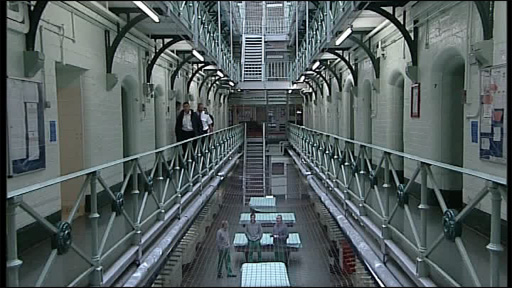
In 1992-93, the prison population was less than 45,000. Today, it is almost 85,000. Thousands are serving sentences of fewer than 12 months for drug offences and other ‘lower level’ crimes. Within a year, more than 57% of these people will be back inside. Our overloaded, expensive prisons struggle to provide education, training or work. Rehabilitation programmes are eclipsed by the pressing issues of overcrowding and staff shortages. In some prisons, inmates can spend as many as 20 hours a day locked in their cells with nothing to do. Punishing, yes. Rehabilitating and crime reducing, hardly.
So if prison is going to work, we need to start rationing it.
Jails are inevitably disconsolate places. Beneath the usual commotion of any crowded institution – think schools and hospitals – lies a unique layer of misery and menace. The first one I visited was Feltham.
In the lexicon of English prisons, this southwest London lockup for boys and young men is notorious. These days, Feltham is deemed “reasonably good” by the prisons inspectorate. But when I first went, a year after the racist murder of a 19-year-old by his cell-mate, it was rife with violence, racism and rioting.
After a few hours inside, I was hopelessly despondent. Not because the prison was chaotic and dirty (it was, they are); or because the prison officers I met were callous bullies (they weren’t, they aren’t). It was because, knowing what crimes some of these blank-eyed teenagers had committed, I was left wondering what good prison could possibly do them.
I don’t believe this is true all of the time, or of everyone. But I do believe that prison should be reserved whenever possible for the violent and brutal, the sex offenders and murderers, for those who burgle and steal, vandalise and destroy – in other words, for those who damage and ruin the lives of others. For almost everyone else, if we’re going to get prison to finally work, we all need to start trusting the alternatives.
According to the Prison Reform Trust, community sentences are more effective (by eight percentage points) at reducing reoffending rates than a short custodial sentence.
A six-week stay in prison costs £4,500. During that time, many prisoners will receive no education or rehabilitative work. The cost of an intensive two-year community order – with 80 hours of unpaid work and mandatory programmes in anything from anger management to better driving – costs £4,200.
Huhne and Pryce may deserve vilification but, like thousands of other non-violent, one-off offenders, they don’t deserve prison.
Wouldn’t you rather see them doing something useful like cleaning graffiti off trains, or picking up litter than stuck in a prison cell costing us even more money?
This piece first appeared at http://www.speakerschair.com on 15th March 2013
 Kath Raymond Hinton
Leave a comment